
The Importance of Diversity in the Hiring Process
Anúncios
The Necessity of Embracing Diversity
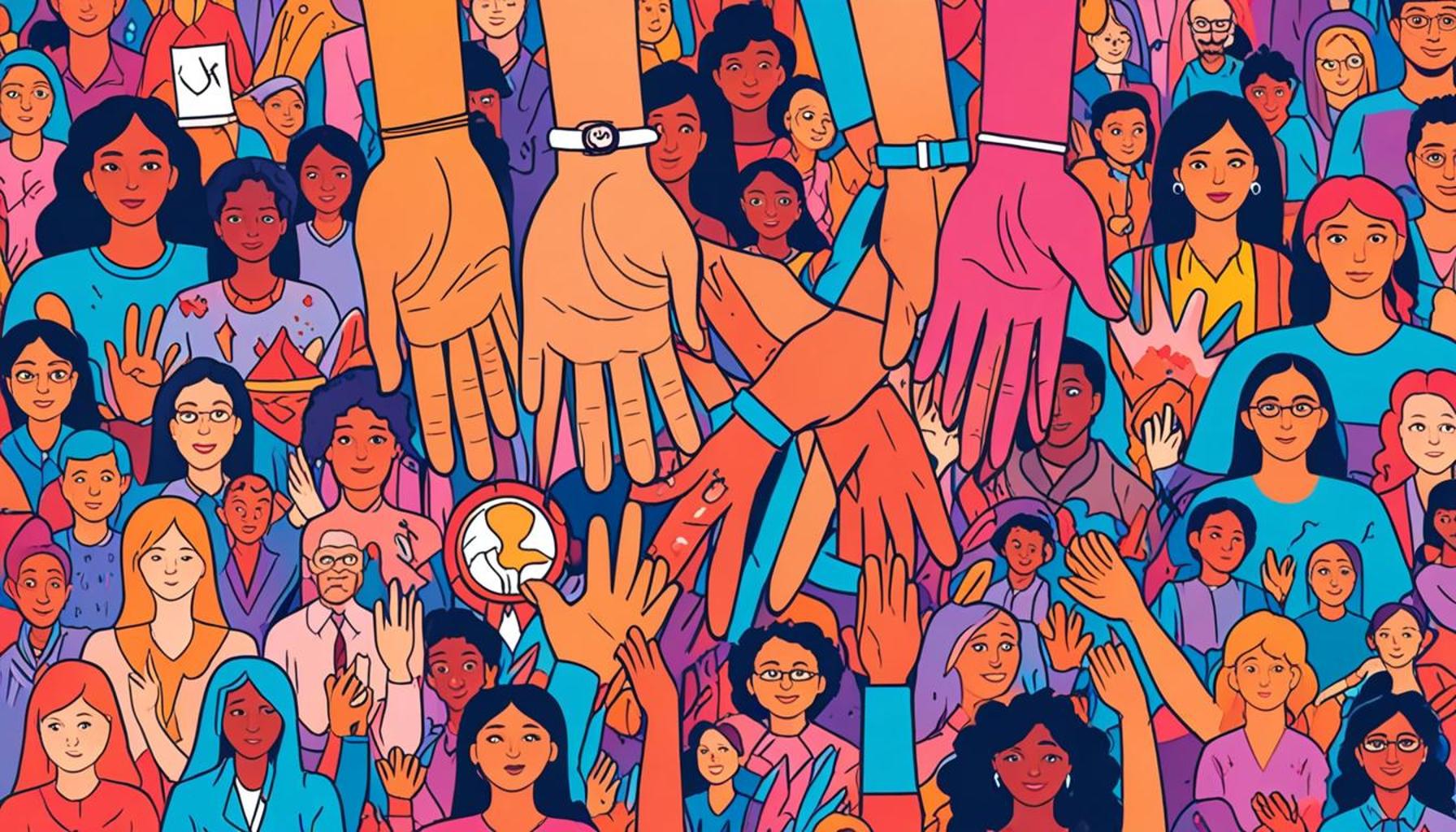
In today’s fast-paced corporate landscape, diversity in the hiring process is more than just a buzzword; it is a necessity. Companies are beginning to realize that a diverse workforce can lead to enhanced creativity, better problem-solving, and increased employee satisfaction. But what exactly does diversity entail?
Anúncios
Understanding the Dimensions of Diversity
- Cultural Diversity: This aspect encompasses various backgrounds, ethnicities, and experiences. A culturally diverse workplace reflects a range of perspectives that can inspire innovative ideas and solutions. For instance, a study from Harvard Business Review indicates that teams with higher cultural diversity are more effective at solving complex problems.
- Gender Diversity: Ensuring balanced representation across male and female employees is crucial for fostering an inclusive environment. Companies like Microsoft have reported that gender-diverse teams not only function better but also bring different approaches to problem-solving, leading to more well-rounded project outcomes.
- Age Diversity: This dimension includes perspectives from different generations in the workforce, from Baby Boomers to Gen Z. Each generation brings unique values and experiences, creating a rich tapestry of ideas that can drive innovation. For example, younger employees may be more familiar with technology, while older workers often possess invaluable industry knowledge.
The Business Case for Diversity
Research shows that organizations embracing diversity outperform their competitors by a significant margin. According to a McKinsey report, companies with above-average diversity are 35% more likely to outperform their peers in terms of profitability. This advantage necessitates a focus on inclusivity right from the beginning of the hiring process. The financial benefits of diversity are palpable; not only do diverse teams enhance company culture, but they also drive improved business performance.
Adjusting Strategies for a Diverse Workforce
Moreover, as America becomes increasingly diverse, companies must adapt their strategies to attract top talent from various demographic slices. Addressing unconscious biases and re-evaluating traditional hiring practices can foster a workplace culture where innovation thrives. Employers are advised to implement structured interviews and training sessions that focus on recognizing and mitigating biases during recruitment. For instance, companies may choose to anonymize resumes to highlight skills over names or backgrounds during the initial screening process.
Anúncios
Embracing Change for a Sustainable Future
It’s time for businesses to embrace the change. By understanding the importance of diversity in hiring, organizations can not only reflect the community they serve but also build a workforce ready to tackle the challenges of tomorrow. As consumers demand greater representation and social responsibility from brands, companies that prioritize diversity in their hiring processes will not only improve employee morale but also enhance their reputation and customer loyalty.
In conclusion, as the corporate world continues to evolve, embracing diversity in hiring is no longer optional. It is a critical component in achieving lasting success and is necessary for any organization that aspires to thrive in a dynamic and interconnected world. The future demands innovation, and a diverse workforce is key to unlocking it.
LEARN MORE: This related article may interest you
Unpacking the Benefits of a Diverse Workforce
Diversity in the hiring process extends beyond mere statistics; it cultivates a robust environment where varied perspectives intersect to drive innovation. Companies that prioritize diversity are not only making ethical choices; they are strategically positioning themselves for success in an increasingly competitive market. According to a report by Boston Consulting Group, businesses with diverse management teams have 19% higher revenue due to innovation. This statistic underscores the tangible benefits of embracing diversity—an aspect often overlooked in traditional hiring paradigms.
Fostering Creativity and Innovation
A diverse workforce fuels creativity by bringing together individuals with different life experiences, cultural backgrounds, and problem-solving approaches. Creative collaboration thrives when team members feel empowered to share unique insights, resulting in innovative solutions that cater to a broader audience. This is particularly important for companies aiming to tap into multicultural markets. For instance, Procter & Gamble credits its diverse teams for developing products that resonate globally, thanks to the myriad of perspectives contributing to their design and marketing strategies.
- Enhanced Problem-Solving: Diverse teams have demonstrated increased effectiveness in tackling challenges, as varied viewpoints lead to more comprehensive analyses of problems.
- Broader Market Reach: A workforce that mirrors the diversity of the consumer base is better equipped to understand and meet the needs of a wider audience.
- Improved Employee Engagement: Inclusive cultures promote belonging, resulting in employees who are more motivated and committed to their organization’s goals.
Addressing Systemic Imbalances
The current job landscape reflects systemic imbalances that continue to disadvantage many qualified candidates. By adjusting hiring practices to prioritize diversity, companies can contribute to leveling the playing field. Initiatives such as diversity-focused job fairs and partnerships with organizations that advocate for underrepresented groups can significantly widen the talent pool. In fact, a study from the Society for Human Resource Management found that organizations actively investing in diversity initiatives saw a 27% increase in female applicants and a 19% increase in applicants from minority backgrounds.
Moreover, fostering an inclusive work environment resonates well with today’s younger workforce, which places a high value on social justice and corporate responsibility. According to Deloitte’s research, 83% of millennial employees feel that a company’s commitment to diversity is an important factor when considering job offers, indicating that a commitment to diversity can enhance talent attraction and retention.
Creating a Sustainable Framework
As the push for diversity in hiring grows, organizations are presented with a unique opportunity to develop a sustainable framework that goes beyond just meeting quotas. This involves establishing clear objectives for diversity—such as representation across various demographics—and implementing strategies to achieve them. As businesses navigate through this transformative era, the importance of integrating diversity into the hiring process becomes evident, serving not just as a moral imperative but also as a business necessity that promises long-term benefits.
| Advantages | Impact |
|---|---|
| Enhanced Creativity | A diverse team brings together varying perspectives, fostering innovation and creativity that can lead to unique problem-solving approaches. |
| Improved Performance | Organizations that embrace diversity often see higher employee performance, as different backgrounds contribute to overall effectiveness and productivity. |
| Greater Market Reach | A diverse workforce reflects a broader customer base, enabling companies to connect and cater to various demographics, ultimately enhancing customer satisfaction. |
| Enhanced Reputation | Companies that prioritize diversity are often viewed as more attractive employers, helping them to attract top talent and improve overall corporate image. |
Diversity in hiring is not merely a trend; it is a strategic imperative that benefits organizations across various sectors. Research indicates that companies with diverse teams are more likely to outperform their competitors. For those willing to embrace a more inclusive hiring process, the results can be profound. This involves reevaluating traditional recruitment methods to ensure they are free of biases that can hinder representation. Understanding the impact of diversity on workplace culture can lead to increased employee retention and satisfaction. By integrating diversity into hiring policies, organizations can tap into a wealth of ideas and experiences, making decisions that drive progress and innovation. Expanding on these themes allows companies to cultivate a robust, adaptable workforce prepared to meet the challenges of a dynamic business environment.
RECOMMENDED: Check out this similar article
Enhancing Company Reputation and Attracting Top Talent
In today’s global economy, a company’s reputation can make or break its success. Organizations that embrace diversity in the hiring process are often perceived as progressive and socially responsible, factors that significantly enhance their brand image. This reputation not only appeals to consumers but also attracts top-tier talent who prioritize an employer’s commitment to inclusivity. According to a report by Glassdoor, 67% of job seekers consider diversity an important factor when evaluating potential employers, illustrating that a commitment to diversity can be a powerful tool for talent acquisition.
Diverse Perspectives Drive Better Decision-Making
In addition to fostering creativity, diverse teams contribute to more effective decision-making. Research published in the Harvard Business Review indicates that teams with diverse members outperform those with homogenous counterparts in problem-solving scenarios. The reasoning is simple: when individuals from varied backgrounds work together, the likelihood of “groupthink” decreases. Instead, they challenge each other’s assumptions and uncover novel solutions. For instance, a well-known technology firm that employed a diverse hiring strategy reported a 35% increase in project success rates due to improved collaboration and innovation.
- Heightened Brand Loyalty: Companies recognized for their diversity efforts often earn loyalty and trust from consumers who value inclusivity, translating into substantial financial gains.
- Decreased Employee Turnover: Organizations that prioritize inclusivity witness lower employee turnover rates, reducing the costs associated with recruiting and training new hires.
- Enhanced Corporate Governance: A boardroom that reflects a variety of perspectives leads to more ethical decision-making and increases stakeholder confidence.
Legal and Financial Implications of Diversity
In a nation where legislation around workplace diversity continues to evolve, organizations must be cognizant of the potential legal repercussions of exclusionary hiring practices. Non-compliance with equality mandates can result in costly lawsuits and reputational damage. Conversely, companies that actively promote diversity in their hiring campaigns often see a decrease in legal liabilities, as they demonstrate a genuine commitment to equal opportunity. A report from McKinsey & Company indicated that organizations with a strong commitment to diversity were 35% more likely to have financial returns above their national industry medians, emphasizing the financial benefits associated with a proactive hiring strategy.
Moreover, progressive businesses are increasingly integrating diversity metrics into performance evaluations, enabling them to track their efforts systematically. This data-driven approach not only showcases organizational commitment but also establishes benchmarks for progress over time. By harnessing analytics, companies can identify gaps in their diversity initiatives and refine their strategies, ensuring they remain compliant and competitive.
Training and Development as a Tool for Sustained Diversity
To truly realize the benefits of diversity, companies must look beyond hiring practices to also include comprehensive training and development programs. Initiatives that educate employees on unconscious bias and cultural competency can cultivate an environment where diversity is not merely a checkbox, but rather an integral component of the corporate culture. A study from the National Center for Women & Information Technology found that organizations that provided ongoing diversity training experienced a 30% increase in employee satisfaction when compared to those that did not. Such training fosters mutual respect and understanding, enabling organizations to harness the full potential of their diverse workforce.
CHECK OUT: Click here to explore more
Conclusion: Embracing Diversity as a Strategic Imperative
It is clear that diversity in the hiring process is not merely a moral obligation but a strategic advantage in today’s competitive landscape. Organizations that prioritize diversity reap a multitude of benefits, from enhanced team performance to stronger financial outcomes. The evidence speaks volumes: companies that embrace inclusive hiring practices see increased innovation, notable improvements in decision-making capabilities, and heightened brand loyalty from consumers who value inclusivity. These factors directly contribute to a firm’s ability to attract and retain top talent, fostering a workplace where the richness of varied experiences is harnessed for collective success.
As the labor market continues to evolve, so too does the necessity for businesses to adopt a flexible and adaptive approach to diversity initiatives. By instituting comprehensive training programs that address unconscious bias and promote cultural competency, companies can develop a workforce that not only respects differences but thrives on them. Furthermore, with the ongoing legal landscape demanding adherence to diversity standards, organizations that are proactive in their diversity efforts can avoid potential liabilities—thereby positioning themselves as leaders in corporate responsibility.
Ultimately, embracing diversity is about more than just checking boxes; it is about crafting an environment where all voices are valued and heard. For businesses that recognize this, the rewards are significant—both in terms of profitability and corporate culture. As companies strive for excellence, a commitment to diversity in hiring should be seen not just as a goal, but as an essential element of a forward-thinking strategy that drives innovation and success in the ever-changing market landscape.