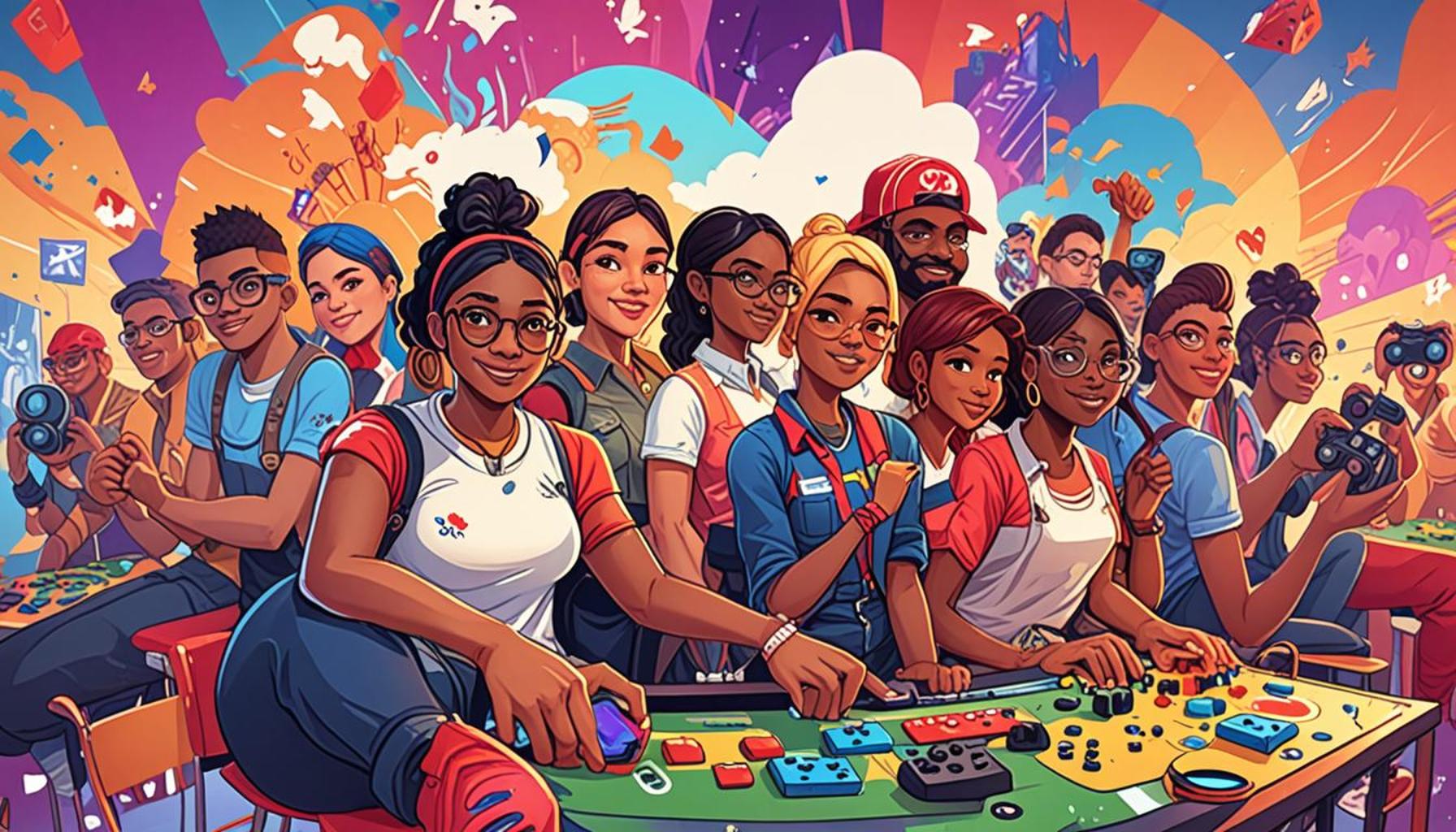
The influence of gamer communities on the development of professional skills for careers in technology
Anúncios
The Impact of Gamer Communities on Professional Skill Development
In a world where industries are continually shifting due to technological advancements, gamer communities have surprisingly emerged as critical training grounds for essential professional skills. These vibrant networks serve not only as platforms for entertainment but also cultivate abilities that are increasingly valuable in the workplace. As we investigate the profound impact of these communities, it becomes clear how they contribute to developing a new generation of tech-savvy professionals equipped with critical soft skills.
Anúncios
Collaboration and Team Dynamics
Teamwork is a fundamental aspect of gaming, particularly in multiplayer environments where players must collaborate to accomplish shared goals. Whether it’s forming alliances in massive online battle arenas or strategizing in cooperative role-playing games, players learn to communicate effectively, assign roles, and work together under pressure. This mirrors real-world workplace dynamics, where team projects require individuals to pool their diverse skills to succeed. For example, games like “League of Legends” and “Overwatch” necessitate a clear division of roles, fostering both interdependence and accountability—two key elements essential for success in any corporate setting.
Technical and Leadership Skills
Beyond collaboration, the technological demands of gaming sharpen players’ technical skills. Many modern games require players to engage deeply with software, often requiring them to troubleshoot technical issues or adapt to new platforms, thus enhancing their technological fluency. Furthermore, taking on leadership roles—such as being a guild leader in MMORPGs—allows players to develop leadership skills through managing team dynamics, resolving conflicts, and motivating others. Such experiences are invaluable; companies often look for candidates who can manage teams effectively and drive projects forward.
Anúncios
Innovation Through Modding and Creative Communities
Gamer communities are also havens for innovation. For instance, modding communities within popular titles like “Minecraft” or “Skyrim” allow players to create new content, which often involves coding and design principles. This environment encourages players to experiment and learn by doing, providing a unique setting for skill development that traditional education may not offer. Additionally, participation in gaming competitions fosters a gamified learning experience that further drives ingenuity and problem-solving abilities.
Networking and Soft Skills Development
Online gaming platforms serve as a hub for networking, connecting individuals who share similar interests. These interactions can lead to mentorship opportunities and collaborations on tech projects outside the gaming sphere. Furthermore, gamers develop crucial soft skills such as conflict resolution and effective communication; essential qualities in any workplace. Games often involve moments of intense competition or conflict, and how players handle these moments can translate to improved interpersonal skills in professional environments.
Finally, the strategic nature of many games enhances critical thinking capabilities. Players must navigate shifting scenarios, make quick decisions, and adapt strategies on the fly—all while considering the actions of competitors. These are precisely the cognitive skills that are highly sought after in the fast-paced tech industry. The ability to analyze situations critically and think strategically is invaluable, and those who refine these skills in gaming are often better prepared for the challenges that await them in the professional realm.
In summary, as we continue to explore the intricate ways gamer communities influence professional skill development, we discover a landscape rich with potential. The skills nurtured in these virtual environments are proving to yield tangible results that guide individuals on increasingly relevant career paths in technology and beyond.
EXPLORE MORE: Click here to enhance your networking skills
Fostering Professional Growth Through Gaming Engagement
The intersection of gaming and professional development is often undervalued, yet the advantages of participating in gamer communities are profound, particularly in the realm of technology careers. As players immerse themselves in various gaming environments, they inadvertently cultivate a plethora of skills that can lead to significant career advancements. Understanding the mechanisms through which these communities foster professional growth may illuminate new pathways for aspiring tech professionals.
Enhanced Communication Skills
At the heart of any gamer community lies communication. Whether it’s chatting via in-game voice commands, typing in text chats, or coordinating strategies through external platforms like Discord, gamers learn to express complex ideas succinctly and effectively. The ability to articulate thoughts and relay instructions clearly is invaluable in the professional world. In fact, a survey conducted by the National Association of Colleges and Employers indicates that employers prioritize communication skills, considering them essential for successful collaboration in tech roles.
Critical Problem Solving and Adaptability
Games often put players in challenging situations that demand quick thinking and adaptive strategies. For example, titles such as “Fortnite” or “Dota 2” require players to constantly evaluate their environments and adjust their plans based on opponents’ actions. This constant feedback loop enhances a player’s ability to tackle real-world problems with agility and innovation. According to research from the Educational Development Center, participating in games with complex scenarios fosters critical thinking and problem-solving skills that are directly transferable to technology careers.
Organizational and Time Management Skills
Most gamers quickly learn the importance of organization and time management. Many games incorporate quest systems, timers, and resource management, which compel players to prioritize tasks efficiently to maximize success. As players juggle objectives and manage resources, they practice skills that employers highly value, such as meeting deadlines and working within constraints. Below are key organizational skills honed through gaming:
- Prioritization: Understanding which tasks contribute most to team goals.
- Multitasking: Managing multiple quests or objectives simultaneously.
- Resource Management: Effectively utilizing limited in-game resources to achieve objectives.
Strategic Thinking and Game Design Insight
The strategic depth of many games, particularly strategy and simulation genres, cultivates enhanced strategic thinking. Players learn not only to develop coherent strategies but also to anticipate their opponents’ moves. This ability to foresee potential outcomes is crucial in tech careers, where project management and innovation often require the ability to plan several steps ahead. Additionally, engaging with game design elements can lead to insights into UX/UI design—a skill in high demand in the tech sector—with players translating their insights into real-world applications.
In conclusion, as we delve deeper into the influence of gamer communities, the evidence is clear: these virtual spaces are crucibles of skill development, yielding tech-ready professionals who are adept in both hard and soft skills. The lessons learned in these communities extend far beyond the screen, shaping the innovators and leaders of tomorrow.
| Skill Development | Community Engagement |
|---|---|
| Technical Skills | Collaboration and teamwork are core aspects of gamer communities. |
| Problem-Solving | Gamer communities foster an environment where individuals share strategies and solve complex challenges together. |
| Programming and Coding | By engaging in modding or game development, members learn vital programming languages. |
| Project Management | Leading gaming squads or events helps individuals hone their leadership and organizational skills. |
The impact of gamer communities transcends mere recreational enjoyment; it becomes a transformative platform for acquiring essential professional skills. Within these virtual arenas, participants often develop a suite of technical abilities that directly align with the fast-paced demands of the technology sector. As players collaborate on projects, they learn how to communicate effectively, manage teams, and approach challenges creatively. This not only nurtures problem-solving skills but also instills a sense of fellowship and shared goal achievement.Moreover, these communities are hubs for learning coding, software development, and other technical proficiencies. By delving into activities like game creation or coding mods, gamers can acquire a proficiency in programming languages that are indispensable in the tech industry. The collaborative and competitive nature of these environments fosters a spirit of innovation and adaptability—qualities that are highly sought after by employers. Overall, the evolution of skills within gamer communities acts as both an impetus and a foundation for thriving careers in technology.
DIVE DEEPER: Click here to discover more
The Role of Collaboration and Teamwork in Gaming
In an era where collaboration is increasingly valued across all fields, particularly in technology, gamer communities serve as an excellent training ground. Multiplayer online games necessitate teamwork, making players work towards common objectives while leveraging their individual strengths. This dynamic not only fosters camaraderie but also prepares participants for real-world collaborative environments. A significant number of tech companies utilize Agile methodologies, which prioritize cross-functional teamwork, illustrating how these gaming skills seamlessly translate into the corporate landscape.
Networking Opportunities Within Gamer Communities
Gamer communities also offer unique networking opportunities that can be pivotal for aspiring technology professionals. Platforms like Twitch and forums such as Reddit’s r/gaming create venues where individuals can connect over shared interests, leading to potential collaborations. Notably, networking isn’t just limited to gamer acquaintances; many successful tech entrepreneurs and industry leaders engage within these communities, sharing experiences and career advice. According to a survey by LinkedIn, 80% of professionals consider networking key to their job success, and engagement within gaming forums can open doors to mentorship and job opportunities that may not be easily accessible through traditional channels.
Leadership Development Through Competitive Play
Competitive gaming, or esports, is another dimension through which gamer communities cultivate essential leadership abilities. Players who take on roles as team captains or strategists learn to motivate and guide their peers. Leadership within gaming often entails decision-making under pressure, requiring players to balance tactical decisions with team dynamics. According to a report from the Institute for the Future, skills learned in competitive environments will be increasingly significant in the future workforce, especially as technology companies seek individuals who can manage diverse teams and respond effectively to challenges.
Technical Knowledge and Software Skills
Many modern games require players to engage with various software tools, enabling them to acquire technical knowledge that directly applies to tech careers. For instance, modding games or creating custom content teaches skills in programming languages such as Python or JavaScript, essential in fields ranging from web development to software engineering. Gamers often experiment with development tools like Unity or Unreal Engine, gaining firsthand experience in creating immersive experiences. Reports from Game Developer magazine show a growing intersection between gaming skills and job placement in tech roles, emphasizing the relevance of technical proficiency gained through gaming.
Emotional Resilience and Stress Management
Another crucial yet often overlooked aspect of gaming is the development of emotional resilience. Players regularly face setbacks, whether it’s losing a crucial match or failing to complete a difficult quest. The ability to cope with disappointment, learn from failures, and maintain motivation is essential for success in any career. The tech industry, known for its fast pace and high demands, requires employees to be adept at managing stress and recovering from failure. Insights from Mental Health America reveal that individuals who participate in gaming often showcase improved problem-solving skills and emotional intelligence, both of which are highly regarded by employers.
The skills garnered from participation in gamer communities extend well beyond entertainment, forming a robust foundation for professional growth in technology. As gaming continues to evolve, so too will its potential to shape the future workforce, equipping players with the skills necessary to excel in a rapidly advancing technological landscape.
DIVE DEEPER: Click here to uncover effective strategies
Conclusion: The Transformative Power of Gamer Communities
In summary, gamer communities are not merely spaces for entertainment; they are vibrant ecosystems that nurture a wealth of professional skills applicable to careers in technology. The collaborative nature of gaming facilitates the essential teamwork competencies required in modern workplaces, while networking opportunities provide gateways to mentorship and potential job placements that might otherwise remain elusive. Furthermore, leadership development through competitive gaming equips players with decision-making skills crucial to navigating diverse and dynamic tech environments.
As players immerse themselves in technical creativity—whether through modding games or engaging with advanced development tools—they inadvertently build a robust technical foundation aligned with industry demands. The ability to cope with setbacks and develop emotional resilience is particularly vital in the fast-paced technology sector, fostering professionals who can adapt to challenges with grace and effectiveness.
As we continue to witness the integration of gaming into various aspects of professional development, it becomes imperative for both educators and employers to embrace the potential of these communities. They offer innovative pathways for skill acquisition that will prove beneficial as the tech landscape evolves. By recognizing and harnessing the influence of gamer communities, we can cultivate a generation of tech-savvy professionals equipped not just with technical prowess, but also with the soft skills essential for success in a collaborative and rapidly changing world.